

Basement Insulation
Stop Heat Loss. Control Moisture. Save Energy.
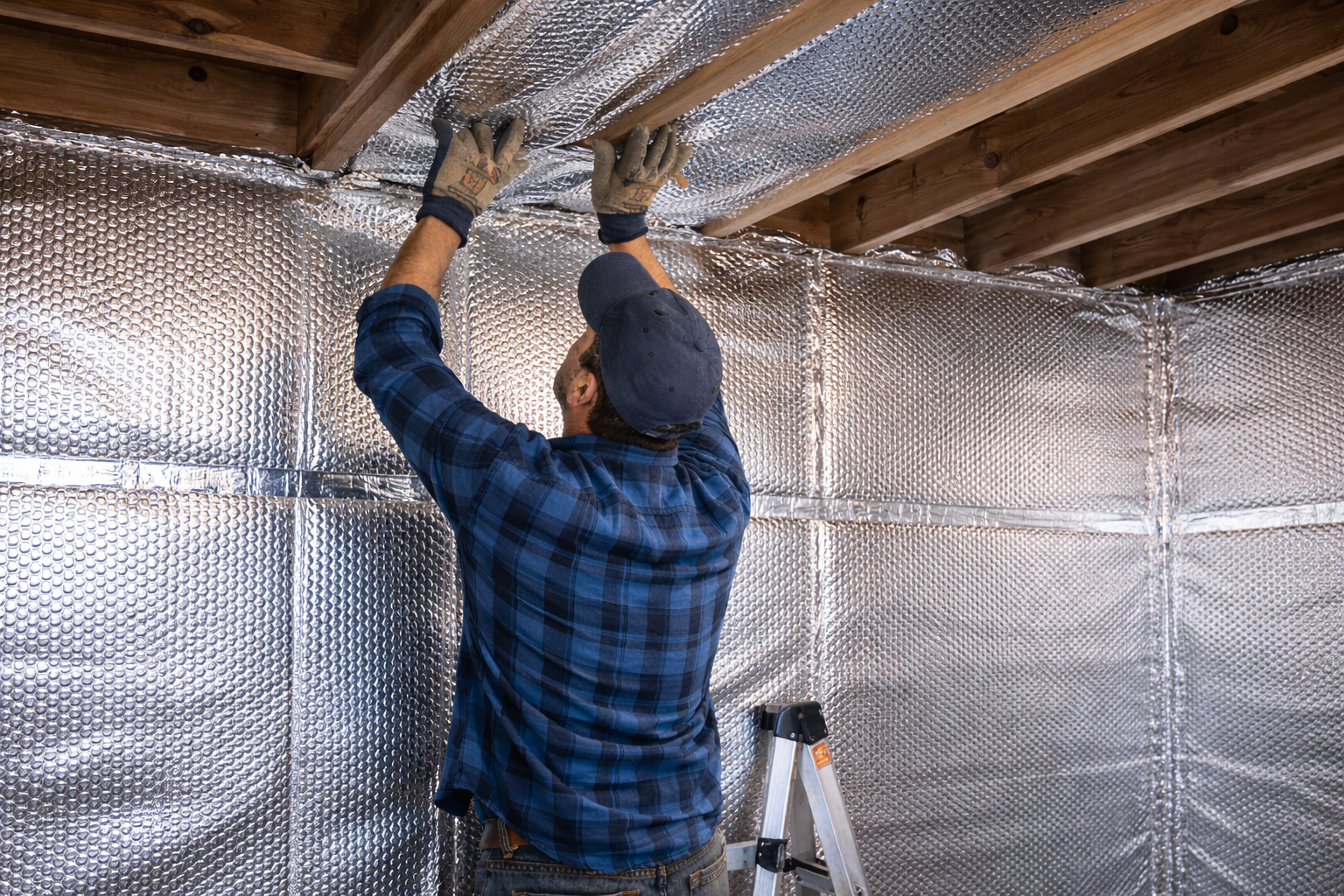
Energy Shield® basement reflective insulation improves comfort, lowers energy costs, and protects below-grade spaces year-round. Basements are naturally prone to heat loss and moisture intrusion, making proper insulation essential. Installing reflective insulation on basement ceilings helps direct heat back into living areas above, while insulated basement walls and ceilings reduce cold surfaces and condensation risk. When paired with vapor barrier basement insulation, these systems help create a warmer, drier, and more energy-efficient basement.
Improve comfort and lower heating costs with basement reflective insulation. Proper basement ceiling insulation, combined with vapor barrier basement insulation and insulated basement walls and ceilings, helps reduce heat loss, control moisture, and create an energy-efficient basement.
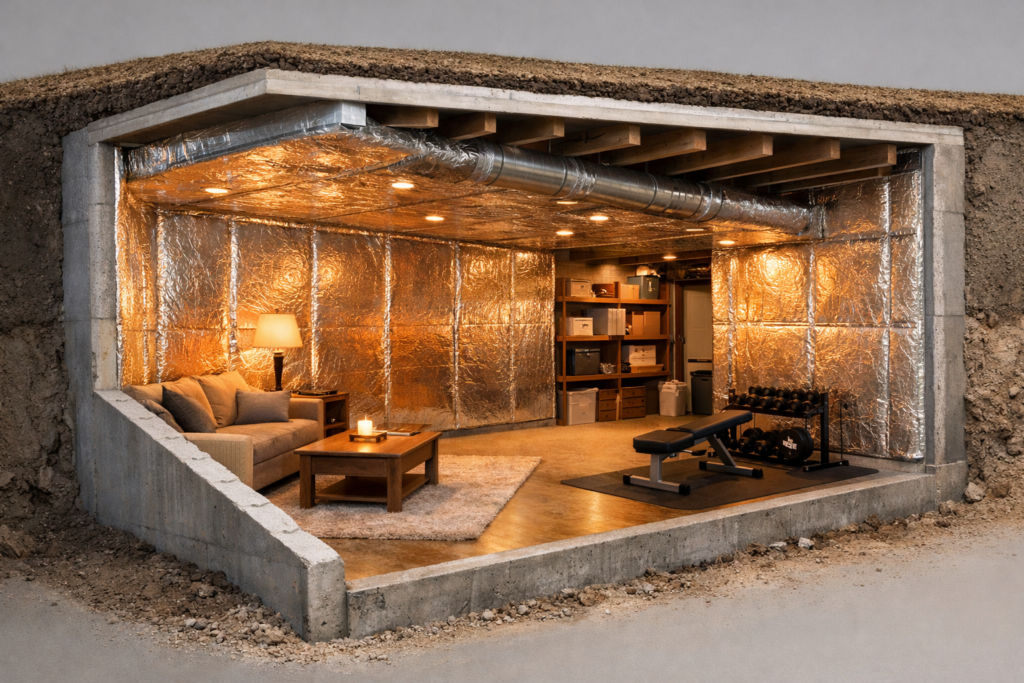
Retain Basement Heat
Basements lose heat through concrete walls and ceiling assemblies. Installing reflective insulation on basement walls and ceilings helps retain warmth and reduce energy loss.
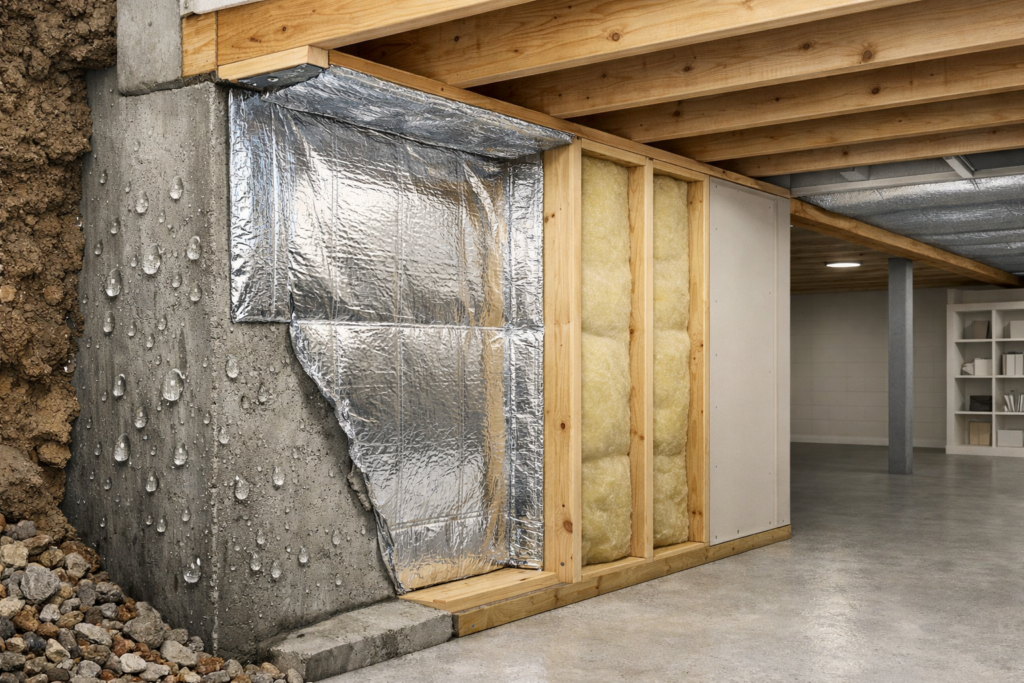
Stop Moisture & Condensation
Basements are vulnerable to dampness and condensation due to temperature differences between indoor air and concrete surfaces.

Save Energy & Money
An energy-efficient basement reduces strain on your HVAC system and improves overall home performance.
ES® Basement Insulation Products
ES® Basement Insulation Products
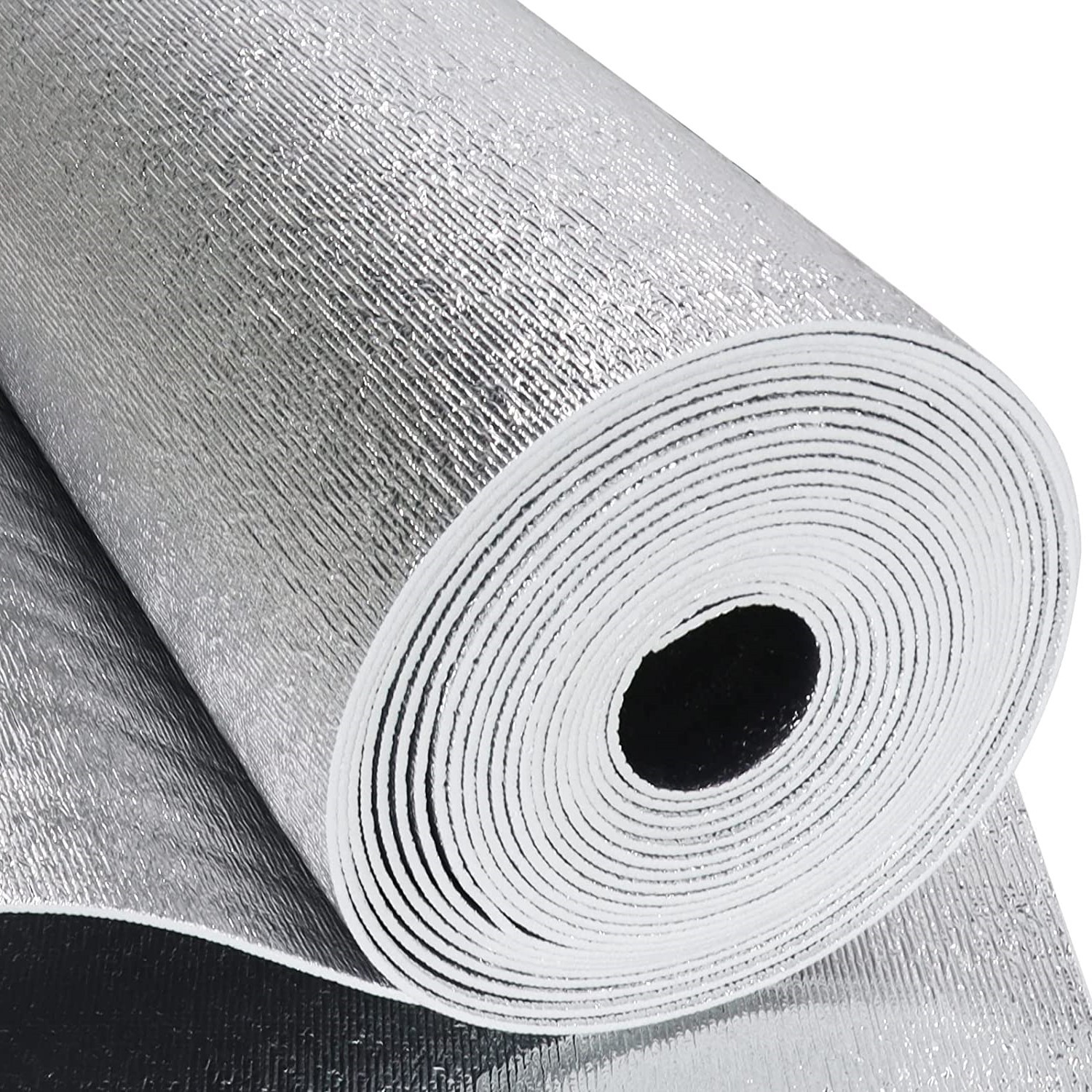
Key Features
- Rigid foam core with dual reflective foil facings
- Helps reduce radiant and conductive heat loss
- Supports insulated basement walls and ceiling assemblies
- Durable for long-term basement installations
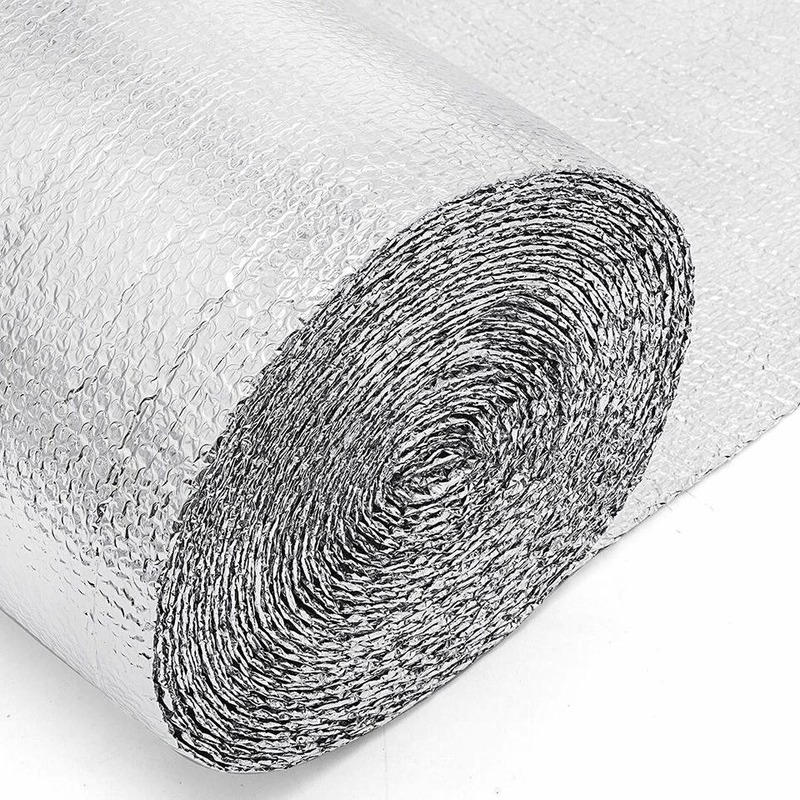
Key Features
- Dual-foil reflective insulation with bubble core
- Helps reduce radiant heat transfer and moisture risk
- Flexible for basement walls, ceilings, and retrofit installs
- Easy to cut, handle, and install

Key Features
- High-reflectivity foil surface for radiant heat control
- Minimal thickness for tight basement assemblies
- Works with existing insulation systems
- Helps improve overall basement thermal performance
How Reflective Basement Insulation Works
Reflective insulation reduces radiant heat transfer by reflecting infrared energy back toward its source. When installed, it helps limit heat loss through basement ceilings and walls while also acting as vapor barrier basement insulation to reduce condensation.
That gives you:
- radiant heat transfer
- infrared energy
- air space requirement
- technical legitimacy
HVAC systems and ductwork located in basement environments may also benefit from ductwork insulation to reduce thermal loss and maintain system efficiency.
In above-grade areas like attics, similar reflective systems are used in attic foil insulation to control radiant heat entering from the roof.
Reduce Heat Loss & Improve Basement Comfort
Basements lose heat through walls, ceilings, and floors. Reflective insulation helps:
Proper basement insulation is one of the most cost-effective ways to improve whole-home performance.
Why Basements Benefit from Specialized Insulation
Concrete walls and floors readily transfer heat and moisture. Without proper insulation, basements often feel cold and damp.
In homes without basements, similar conditions are often found below the living space, where crawl space insulation helps control moisture, reduce heat loss, and protect structural components.
Energy Shield® reflective insulation reduces radiant heat loss, supports basement wall and ceiling insulation systems, and enhances vapor control — creating a more comfortable and efficient living space.
For complete building envelope performance, basement insulation should work alongside reflective house wrap insulation to help control heat transfer and moisture through exterior walls.
Installation Options
Energy Shield® basement insulation adapts to a wide range of installation scenarios, whether you’re insulating a new build or upgrading an existing basement.
Basement Wall Insulation
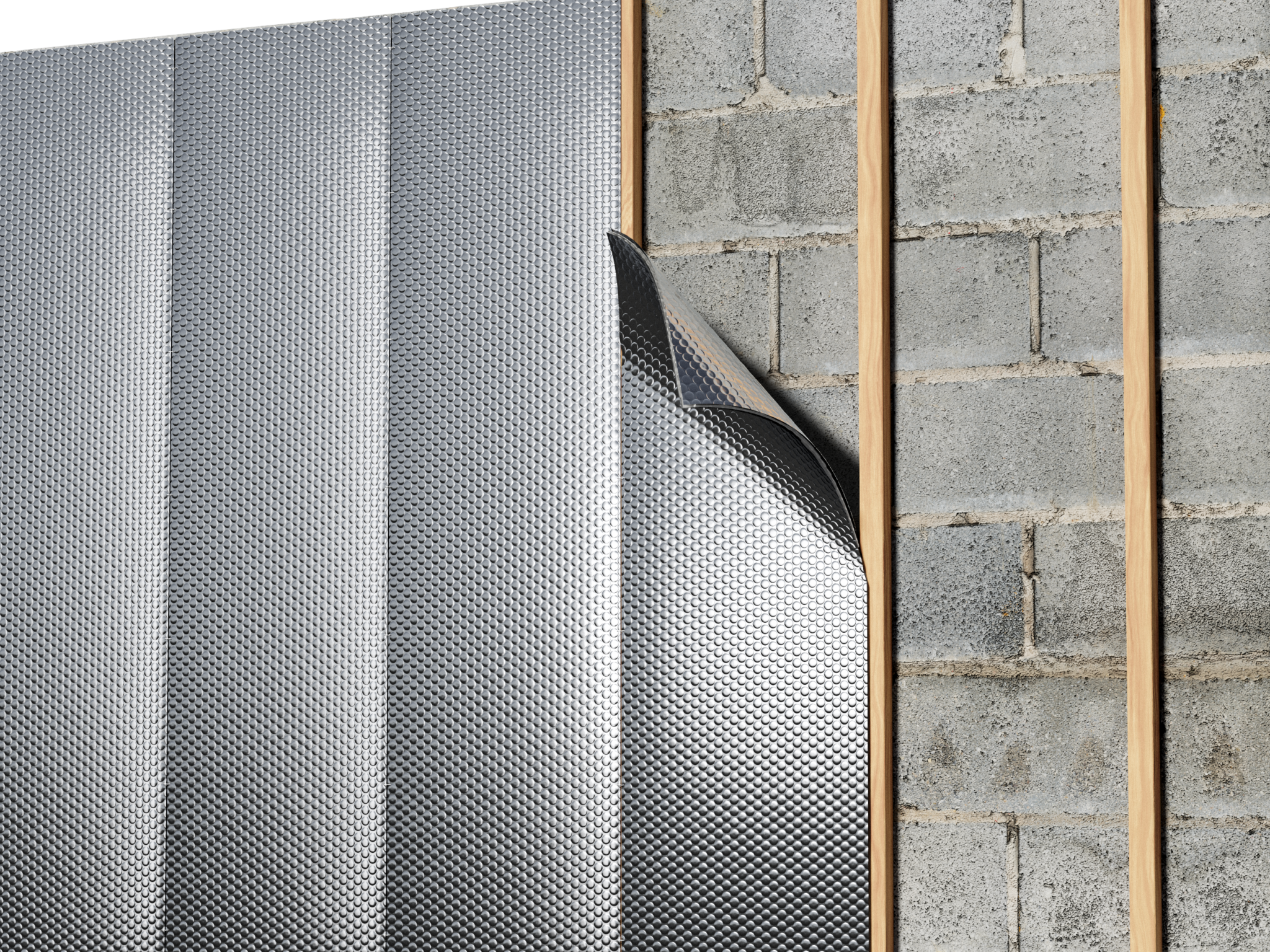
with Furring Strips
- Installed over furring strips for consistent coverage
- Protects walls and improves energy efficiency
Basement Ceiling Insulation
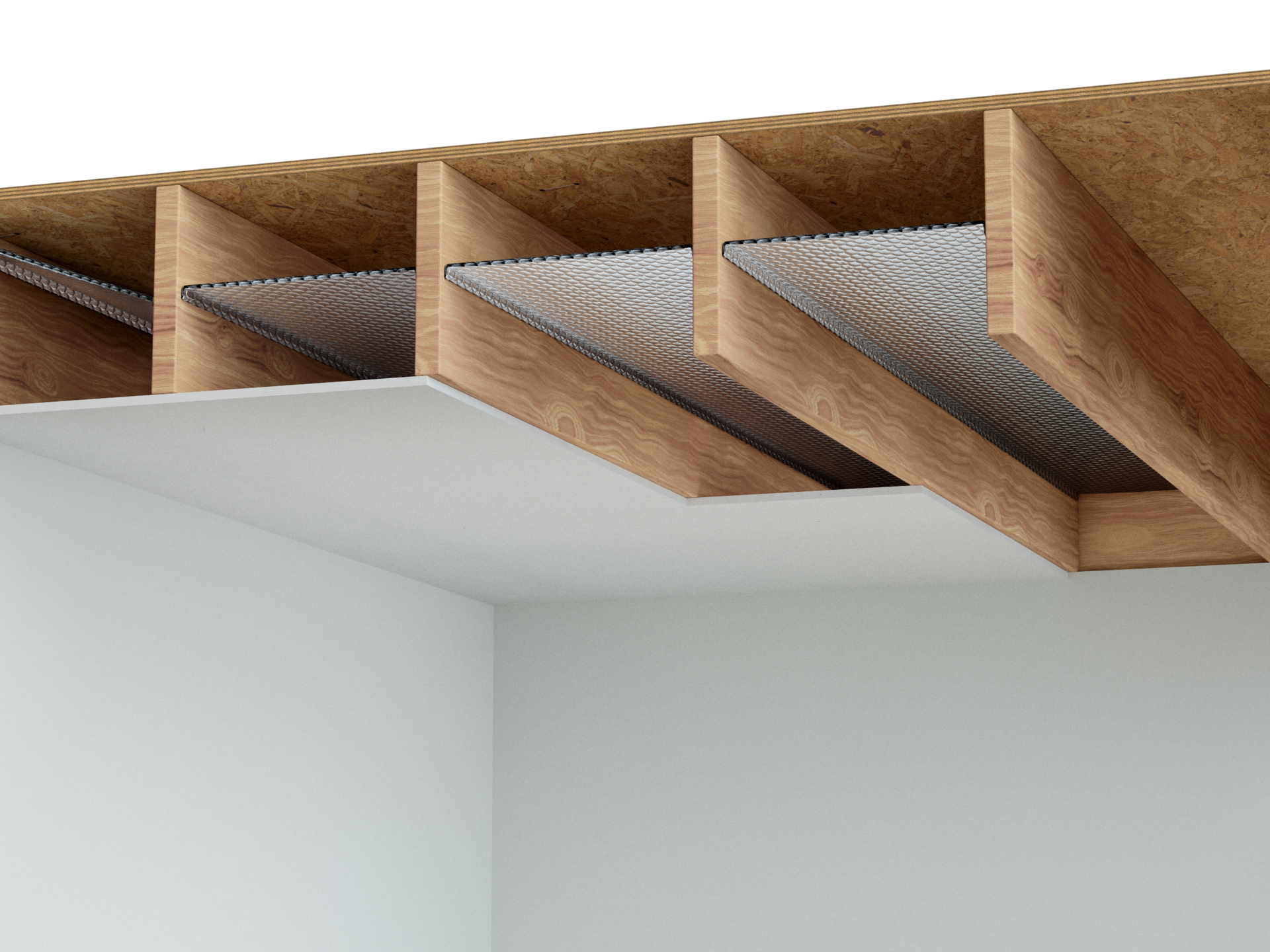
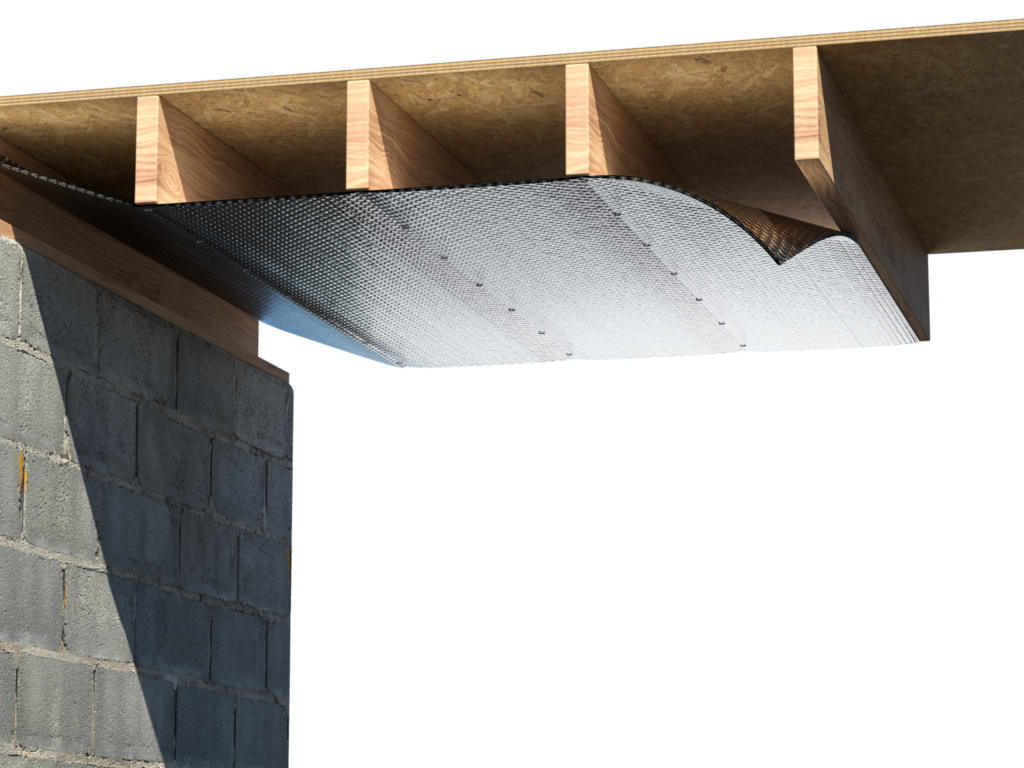
Floor Joist Insulation
- Installs between or under floor joists to retain heat
- Ideal for new construction
Basement Wall Insulation
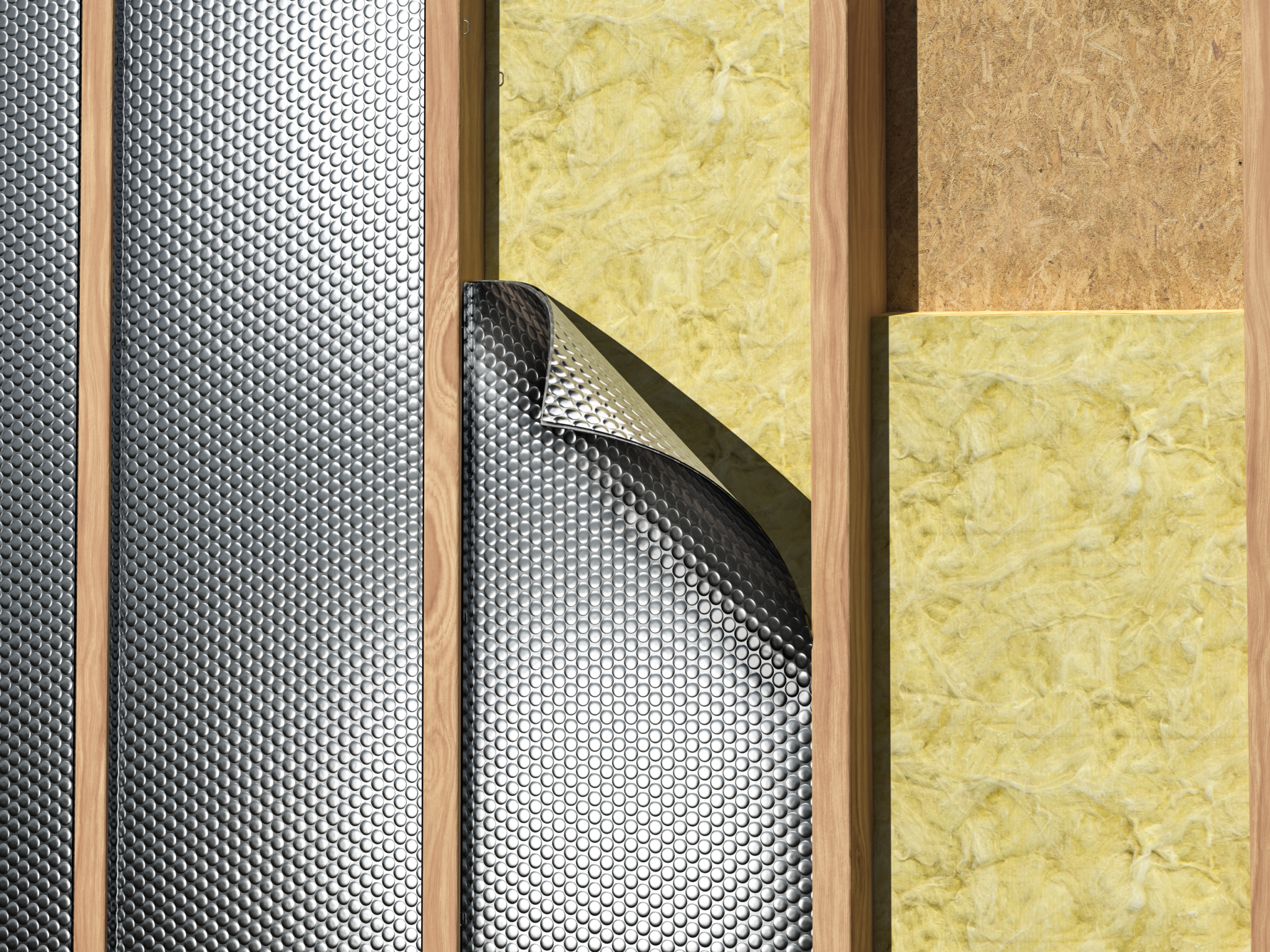
Existing Insulation Upgrade
- Works over current insulation to improve thermal performance
- Ideal for new construction or retrofitting
Control Moisture & Humidity
Reflective basement insulation acts as a powerful vapor barrier, preventing condensation, dampness, and cold surfaces from affecting your home. By keeping moisture under control, it protects your structure, supports indoor air quality, and ensures your basement stays dry and comfortable year-round.
Is Basement Reflective Insulation Right for Your Building?
Designed to fit walls, ceilings, and floors, Energy Shield® basement insulation adapts to tight spaces, irregular areas, and unique layouts. Lightweight and flexible, it installs easily in both new construction and retrofit projects, providing consistent coverage where traditional insulation may fall short.

Why Choose Energy Shield USA® Basement Reflective Insulation?
Reflective Basement Insulation FAQs
Basement reflective insulation is a foil-faced insulation system designed to reduce radiant heat loss and control moisture in below-grade spaces. It helps improve comfort and supports a more energy-efficient basement.
Yes. Installing reflective insulation on a basement ceiling helps direct heat back into the living space above. Reflective insulation basement ceiling systems reduce heat loss and improve overall energy performance.
Many reflective insulation products function as vapor barrier basement insulation when properly sealed at seams. This helps control moisture, reduce condensation, and protect basement wall and ceiling insulation systems.
Yes. Reflective insulation can be installed on concrete block or poured walls using furring strips or over existing insulation. It helps reduce heat transfer and improve basement comfort.
Properly installed basement insulation reduces heat loss through walls and ceilings, lowers HVAC demand, and supports a more energy-efficient basement throughout the year.
Yes. Reflective insulation can be installed over or alongside traditional insulation to enhance thermal performance and moisture control in basement assemblies.
Insulated basement walls and ceilings help prevent heat loss, reduce cold surfaces, and control moisture. Combining reflective insulation with insulated assemblies creates a more comfortable and efficient basement environment.