
Faced Fiberglass Insulation for Metal Buildings (MBI)
Control Heat, Moisture and Condensation
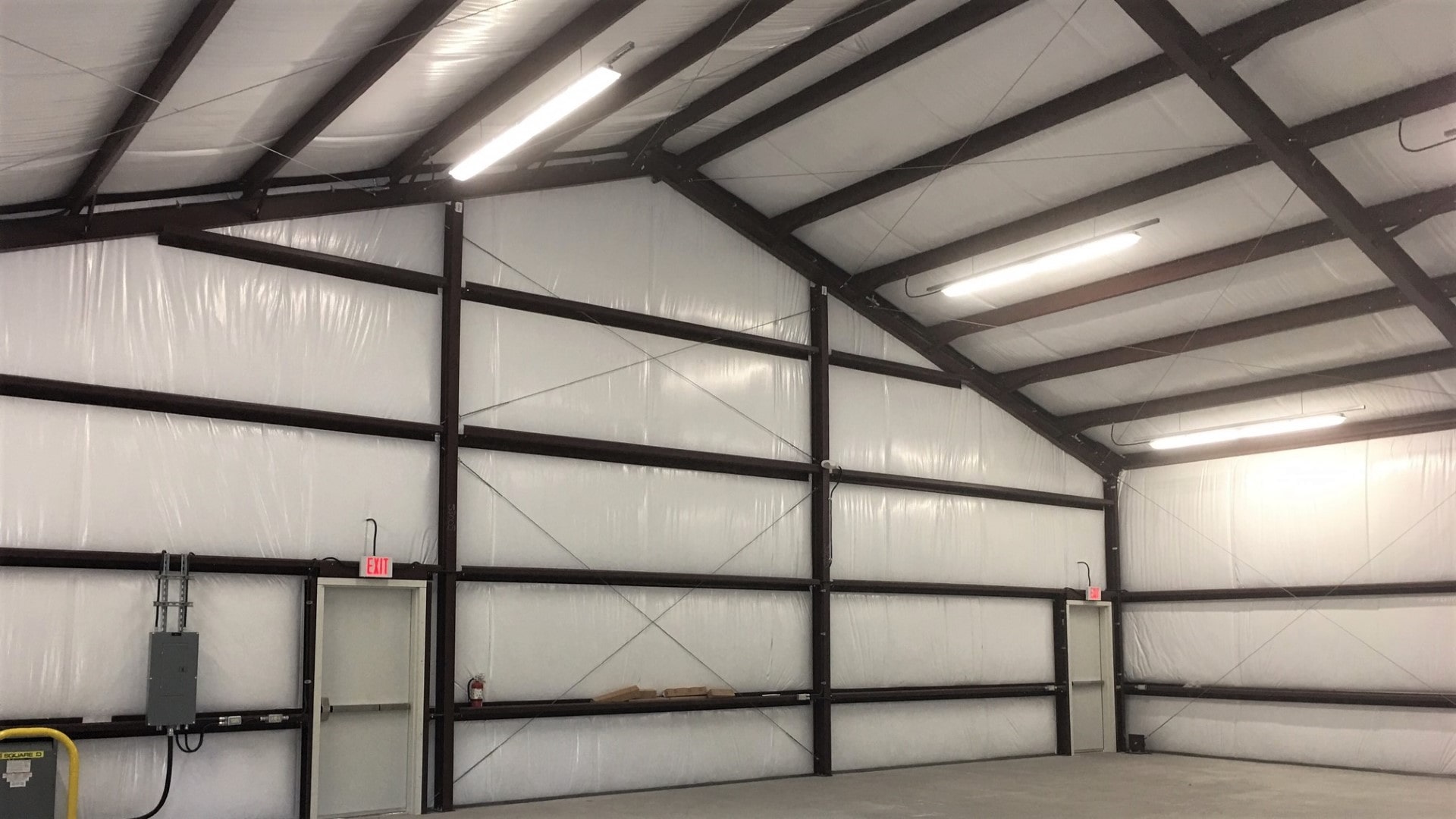
Our systems combine durable fiberglass insulation with advanced vapor retarder facings to improve energy efficiency, protect your structure, and create a clean, finished interior.
Choose from our list of fiberglass facings depending on your performance needs, with solutions ranging from R-8 to R-43 for both single and double layer systems.
Our systems combine durable fiberglass insulation with advanced vapor retarder facings to improve energy efficiency, protect your structure, and create a clean, finished interior. Choose from our list of fiberglass facings depending on your performance needs, with solutions ranging from R-8 to R-43 for both single and double layer systems.
Built for Performance and Flexibility
Our faced fiberglass insulation systems are engineered to adapt to a wide range of metal building applications—from new construction to retrofit projects.
With multiple R-values, facing options, and installation methods available, you can customize your insulation system to meet your exact performance and budget requirements.
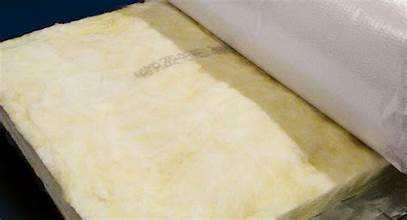
VR-R Plus
Best for standard metal buildings needing reliable thermal performance and moisture control at a cost-effective price.
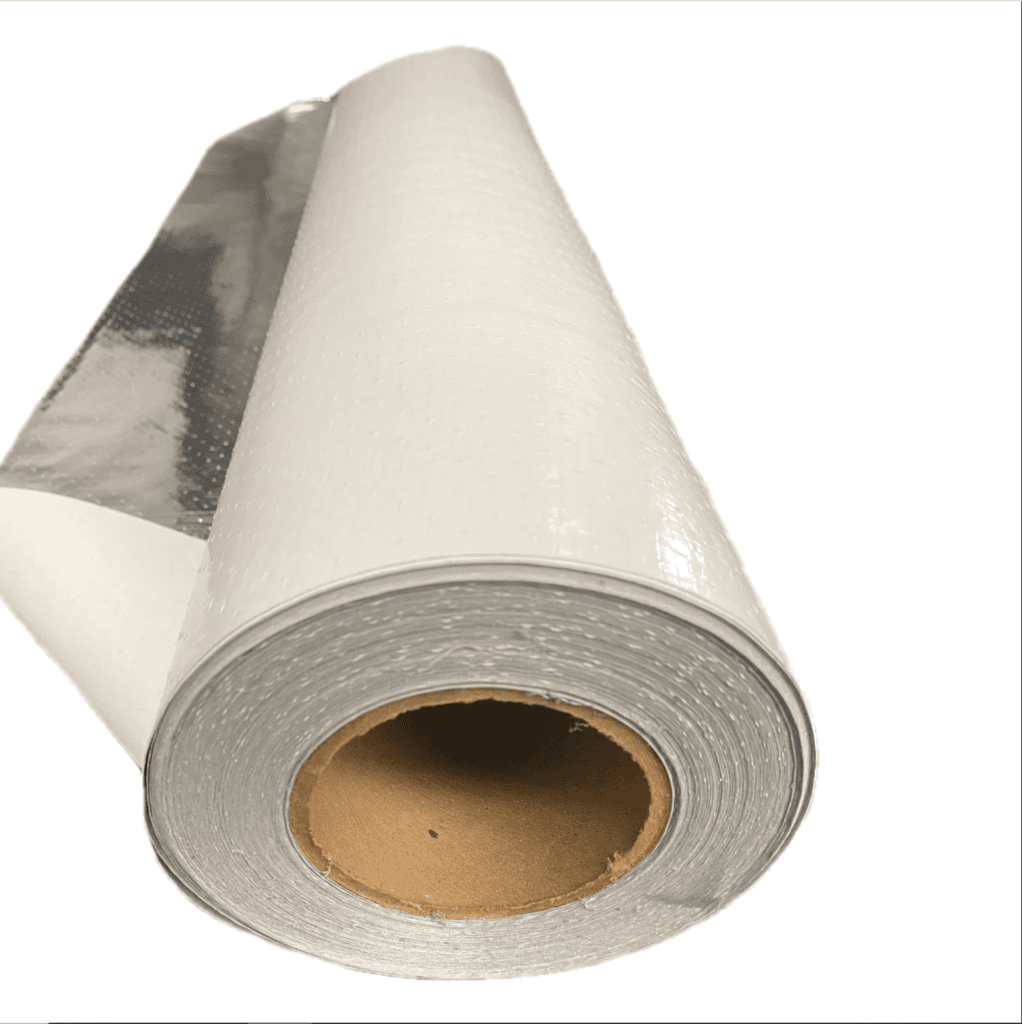
VR-R Supreme (Agro-Foil Facing)
Best for high-performance applications where maximum reflectivity, durability, and energy efficiency are required.
ES® Faced Fiberglass Insulation Products
ES® Faced Fiberglass Insulation Products

Low-Cost Standard Duty
Key Features
- High-reflectivity foil surface for radiant heat control
- Minimal thickness for tight basement assemblies
- Works with existing insulation systems
- Helps improve overall basement thermal performance

Low-Cost Standard Duty
Key Features
- High-reflectivity foil surface for radiant heat control
- Minimal thickness for tight basement assemblies
- Works with existing insulation systems
- Helps improve overall basement thermal performance

Heavy Duty w/ UV Resistance
Key Features
- High-reflectivity foil surface for radiant heat control
- Minimal thickness for tight basement assemblies
- Works with existing insulation systems
- Helps improve overall basement thermal performance

Highly Abuse Resistant
Key Features
- High-reflectivity foil surface for radiant heat control
- Minimal thickness for tight basement assemblies
- Works with existing insulation systems
- Helps improve overall basement thermal performance

Cover Damaged Insulation
Key Features
- High-reflectivity foil surface for radiant heat control
- Minimal thickness for tight basement assemblies
- Works with existing insulation systems
- Helps improve overall basement thermal performance

Vapor Retarder Film
Key Features
- High-reflectivity foil surface for radiant heat control
- Minimal thickness for tight basement assemblies
- Works with existing insulation systems
- Helps improve overall basement thermal performance

For Agriculatrual Buildings
Key Features
- High-reflectivity foil surface for radiant heat control
- Minimal thickness for tight basement assemblies
- Works with existing insulation systems
- Helps improve overall basement thermal performance

Heavy Duty Foil/Scrim/Kraft
Key Features
- High-reflectivity foil surface for radiant heat control
- Minimal thickness for tight basement assemblies
- Works with existing insulation systems
- Helps improve overall basement thermal performance

Foil / Highly Abuse Resistant
Key Features
- High-reflectivity foil surface for radiant heat control
- Minimal thickness for tight basement assemblies
- Works with existing insulation systems
- Helps improve overall basement thermal performance
Double Sided Foil
Key Features
- High-reflectivity foil surface for radiant heat control
- Minimal thickness for tight basement assemblies
- Works with existing insulation systems
- Helps improve overall basement thermal performance
SINGLE LAYER INSULATION SYSTEM
Energy Shield USA provides several different faced fiberglass options
| R-Value | Thickness | Widths | Lengths |
|---|---|---|---|
| R-8 | 2.0″ | 36″, 48″, 60″, 72″ | Custom laminated to length |
| R-10 | 3.0″ | 36″, 48″, 60″, 72″ | Custom laminated to length |
| R-11 | 3.5″ | 36″, 48″, 60″, 72″ | Custom laminated to length |
| R-13 | 4.0″ | 36″, 48″, 60″, 72″ | Custom laminated to length |
| R-16 | 5.0″ | 36″, 48″, 72″ | Custom laminated to length |
| R-19 | 6.0″ | 36″, 48″, 60″, 72″ | Custom laminated to length |
| R-25 | 8.0″ | 48″, 60″, 72″ | Custom laminated to length |
| R-30 | 9.5″ | 48″, 60″, 72″ | Custom laminated to length |
*DOUBLE LAYER INSULATION SYSTEM
Energy Shield USA provides several different faced fiberglass options
| R-Value | Thickness |
|---|---|
| R-29 | 3.0″ + 6.0″ |
| R-30 | 3.5” + 6.0″ |
| R-32 | 4.0” + 6.0” |
| R-33 | 2.0” + 8.0” |
| R-35 | 3.0” + 8.0” |
| R-38 | 6.0” + 6.0” |
| R-40 | 3.0” + 9.5” |
| R-43 | 4.0” + 9.5” |
TAB OPTIONS
| Tab Method | Description |
|---|---|
| Double 3″ Staple Tabs | Facing tabs from 2 adjoining rolls are pulled together between fiberglass joint and stapled with a long-nosed staple pliers. |
| Single 6″ No-Staple Tab | First roll of insulation is installed with 6″ tab as leading edge. Next roll is nested over tab from first roll. |
| Single 6″ “Reinforced” No-Staple Tab | Mylar reinforcement is added at 6″ tab to provide rigidity. |
| Single 6″ Self-Adhering No-Staple Tab | An adhesive strip with removable backer is added to 6″ tab for adhering tab to adjoining roll. |
| Double 12″ or 15″ Tabs | For use with double fiberglass layer “High R-Value” systems. Tabs from adjoining purlin spaces are lapped together over purlin. |
| Tuck Tab | For use in single layer application where a single 6″ tab is folded under the facing of the adjacent roll. |
Key Benefits of Faced Fiberglass MBI
Need Help Choosing the Right System?
We can help you select the best combination of:
- R-value
- Facing type
- System configuration
👉 Contact us today for a custom recommendation and quote.
Why Choose Energy Shield USA Faced Fiberlgass Insulation?
Faced Fiberglass Insulation FAQs
Faced fiberglass insulation (MBI) is a blanket insulation system that includes a vapor retarder facing. It is designed for metal buildings to control heat transfer, reduce condensation, and improve energy efficiency while providing a clean interior finish.
The required R-value depends on your climate, building use, and local energy codes.
• R-8 to R-19 is common for basic applications
• R-25 to R-30 is used for improved energy efficiency
• R-29 to R-43 (double layer systems) is recommended for high-performance buildings
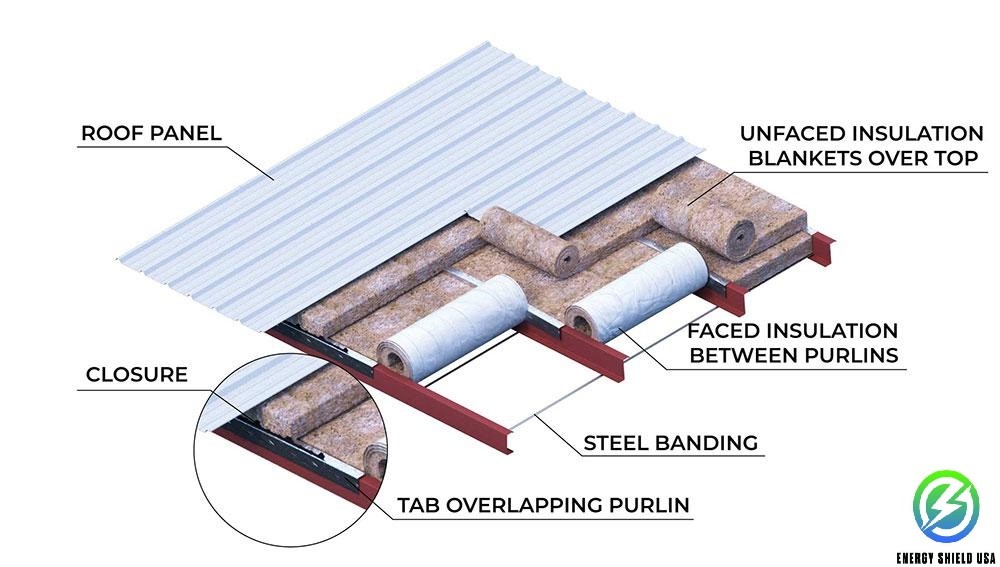
A double layer system uses two layers of fiberglass insulation to increase total R-value. Typically, one layer is installed between the purlins and another layer is installed perpendicular to reduce thermal bridging and improve overall performance.
Faced fiberglass insulation includes a vapor retarder facing that helps control moisture and condensation. Proper installation and sealing of seams are critical to ensure effective vapor control.
Yes. The vapor retarder facing helps reduce condensation by limiting moisture movement and preventing warm, moist air from contacting cooler metal surfaces.
Faced fiberglass insulation is available in multiple widths, including 36″, 48″, 60″, and 72″ depending on the product.
Lengths are typically custom-cut to fit your building for easier installation and reduced waste.
Tabs are extensions of the facing material used to seal seams between insulation rolls. Different tab options (staple, self-adhesive, reinforced) improve installation speed, air sealing, and overall system performance.
Yes. Faced fiberglass insulation can be used in both new construction and retrofit applications, depending on the structure and installation method.
Reflective facings reduce radiant heat transfer by reflecting heat away from the building. This can improve overall system efficiency, especially in metal buildings exposed to direct sunlight.
Perforated facing may be recommended in certain applications to help manage moisture and reduce the risk of trapped condensation. The correct choice depends on your building design and environment.