
Attic Insulation Comparison: Which Type Is Right for Your Home?
Choosing the right attic insulation affects your home’s energy efficiency, comfort, and long-term costs. This comparison examines five common options: fiberglass batt, blown‑in cellulose, spray foam, Energy Shield Radiant Barrier Foil, and Energy Shield Reflective Bubble Insulation. Each type works differently, and the best choice depends on your climate, attic design, and DIY willingness. The table below provides a side‑by‑side look at key performance factors.
Choosing the right attic insulation affects your home’s energy efficiency, comfort, and long-term costs. This comparison examines five common options: fiberglass batt, blown‑in cellulose, spray foam, Energy Shield Radiant Barrier Foil, and Energy Shield Reflective Bubble Insulation. Each type works differently, and the best choice depends on your climate, attic design, and DIY willingness. The table below provides a side‑by‑side look at key performance factors.
How the Major Insulation Types Compare
The following chart organizes the five insulation types by the row headings that matter most to homeowners. Use it to quickly see where each option excels and where it falls short.
| Feature | Fiberglass Batt | Blown-in Cellulose | Spray Foam | ES® Radiant Barrier | ES® Reflective Bubble |
|---|---|---|---|---|---|
| How it works | Blankets of glass fibers that trap air to slow conductive heat transfer. | Loose‑fill cellulose blown into cavities to fill gaps | Liquid that expands into a solid foam, creating an air seal. | Aluminum foil that reflects radiant heat away from the attic, reducing heat gain. | Layers of foil surrounding closed‑cell air bubbles that reflects radiant heat away from the attic, reducing heat gain. |
| R‑value range | R-19 to R-22 Primary function is to slow down the transfer of radiant heat | R-20 to R-23 Primary function is to slow down the transfer of radiant heat | R-30 to R40 Primary function is to slow down the transfer of radiant heat | R-10 to R-14 Primary function is radiant heat reflection. | R-10 to R-14 Primary function is radiant heat reflection. |
| Reflects radiant heat | No Relies solely on thermal conduction resistance. | No Reduces heat flow via density and trapped air. | No Blocks heat by sealing and insulating, not by reflecting. | Yes Designed specifically to reflect up to 97% of radiant heat | Yes Designed to reflect up to 95% of radiant heat while providing a thermal break. |
| Best attic placement | Between and over ceiling joists; must be cut to fit exactly. | Blown over attic floor or into wall cavities; good for irregular spaces. | Can be applied on attic floor, rafters, or roof deck; creates airtight seal. | Stapled to rafters/truss or laid over existing insulation. | Stapled to rafters/truss or laid over existing insulation; also used in metal buildings. |
| DIY install difficulty | Moderate Requires cutting around obstructions and covering the body to prevent skin irritation | Intermediate Requires rental machine and careful handling. | Advanced Must be applied by certified professionals due to chemical handling and safety requirements. | Easy Only need a stapler and scissors or box knife; can be installed by a homeowner | Easy Similar installation process to radiant barrier |
| Moisture performance | Poor Absorbs moisture; wet batts lose R‑value and can promote mold growth. | Fair Susceptible to moisture absorption; settling and reduced performance if damp. | Very Good Closed‑cell spray foam is moisture‑ resistant and acts as a vapor barrier. | Excellent Radiant barrier is impermeable to moisture; does not absorb water or support mold. | Excellent Bubble insulation is moisture‑resistant; closed‑cell bubbles do not absorb water. |
| Cost p/sq ft installed | Moderate $1.20 to $3.00 p/sq ft | Moderate $1.00 to 2.50 p/sq ft | High $2.50 to $5.50 p/sq ft | Low $.80 to $2.00 p/sq ft | Moderate $1.00 to $3.00 p/sq ft |
| Cold climate performance | Adequate When installed correctly; gaps reduce effectiveness. | Good Settles over time, which can lower effective R‑value; needs monitoring. | Excellent Continuous air seal prevents drafts; high R‑value per inch meets cold‑zone requirements. | Moderate Helps prevent heat from escaping in cold weather. | Moderate Offers some conductive resistance, but best used as part of a hybrid system in cold zones. |
| Lifespan | 20–30 years Must keep dry; can sag or become compressed. | 20–30 years Settling may reduce performance over time. | 50+ years When properly installed, does not settle or degrade. | 50+ years Does not degrade; reflective performance remains stable. | 50+ years Foil‑faced bubble insulation is durable and resistant to compression. |
| Best for | Standard joist spacing and no moisture issues. | Retrofits where existing cavities are hard to reach; good for filling irregular gaps. | New construction or major renovations where air sealing and high R‑value per inch are priorities. | Budget-conscious DIYers in homes where attic heat gain or loss is a concern; reduces colling costs | Metal buildings, sheds, and attics where both radiant reflection and a thin thermal barrier are desired. |
Other Attic Insulation Options Worth Knowing
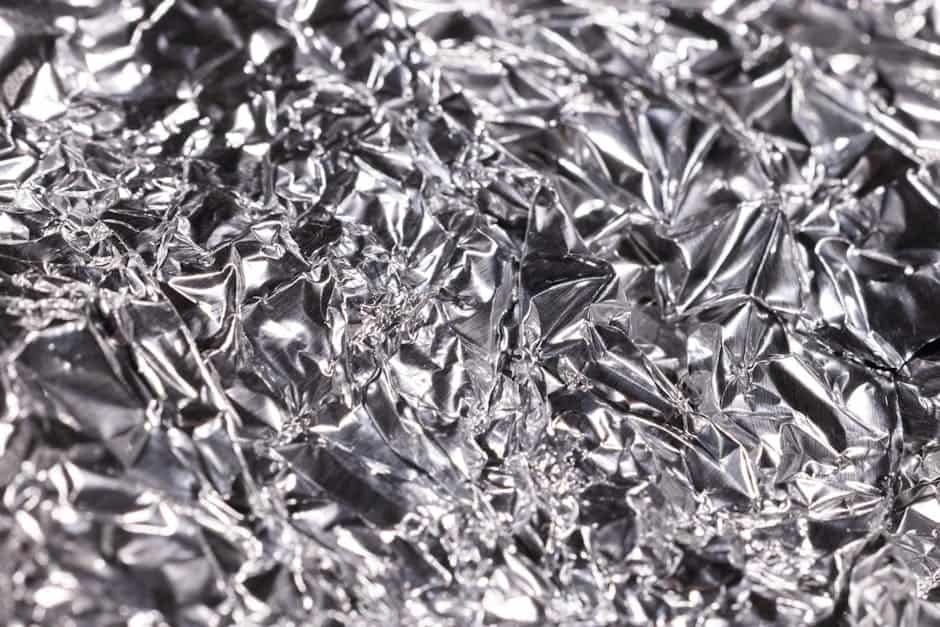
Beyond the five types compared above, several other products exist but are either better suited for new construction or offer lower reflectivity. Foil‑faced foam board insulation provides both a radiant barrier and conductive insulation, but it is typically installed on exterior walls, under roofing, or in unvented low‑slope roofs rather than in open attics. Radiant barrier roof sheathing (OSB with a foil layer) is installed during roof replacement and cannot be easily added after. Radiant barrier paint can be sprayed onto the underside of the roof deck, but its reflectivity is significantly lower than that of engineered foil products. For most homeowners looking to upgrade an existing attic, the five options in the comparison table are the most practical choices.
Key Considerations for Your Attic Insulation Choice
Climate plays a major role in selecting the right insulation. In cold climates like Climate Zone 6 (Wisconsin, Minnesota, and similar areas), attic insulation should achieve R‑49 to R‑60. Fiberglass batts and blown‑in cellulose can reach these levels with sufficient depth, but spray foam does it with less thickness. Radiant barriers, while useful in hot climates, provide little conductive resistance, so they are best paired with another insulation type in cold regions.
Moisture is another critical factor. Fiberglass and cellulose can absorb water, leading to mold and reduced R‑value. Spray foam (closed‑cell) and both Energy Shield products are moisture‑resistant, making them better choices for attics with humidity issues or roof leaks.
Installation skill varies widely. Fiberglass batts are the most DIY‑friendly, requiring only basic tools and careful cutting. Blown‑in cellulose needs a rental machine and some practice. Spray foam always requires a certified professional. Both Energy Shield radiant barrier foil and reflective bubble insulation can be installed by a confident DIYer with a staple gun and utility knife.
Combining Insulation Types for Maximum Efficiency
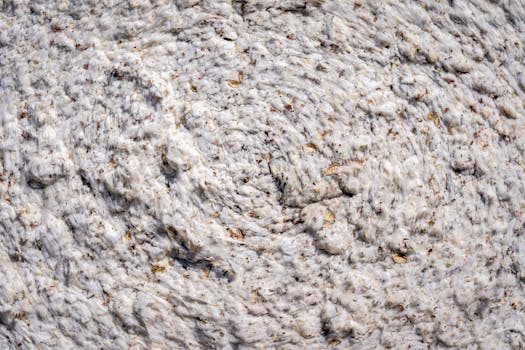
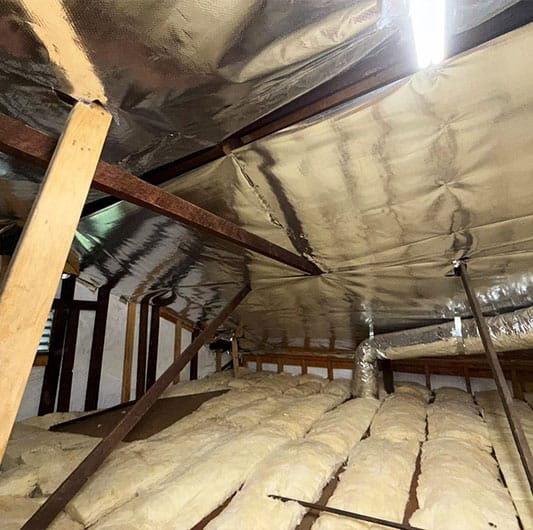
Many homeowners find that a combination approach works best. For example, using blown‑in cellulose on the attic floor to achieve the required R‑value, then adding Energy Shield Radiant Barrier Foil on the rafters to reflect summer heat back outside. In metal buildings or pole barns, reflective bubble insulation is often used alone because it handles both radiant and conductive heat. Spray foam alone can do everything, but at a higher cost. The right mix depends on your budget, local climate, and attic access.
Frequently Asked Questions
What is the best attic insulation for hot climates?
In hot climates, a radiant barrier like Energy Shield Radiant Barrier Foil is highly effective because it reflects radiant heat away from the attic. Combining it with blown‑in cellulose or fiberglass batts on the attic floor provides both conductive and radiant protection, reducing cooling loads significantly.
Can I install radiant barrier foil over existing insulation?
Yes, you can staple radiant barrier foil to the rafters or lay it over existing attic insulation. However, for maximum effectiveness, the foil should face an air space and not be compressed against the insulation. Reflective bubble insulation can also be placed directly over existing batts or loose‑fill, though it may need to be perforated to allow moisture vapor to escape.
Does spray foam insulation need an extra radiant barrier?
Spray foam already provides an air seal and high R‑value per inch. However, in hot climates, some homeowners add a radiant barrier on the roof deck to further reduce heat gain and lower cooling costs.
How does blown‑in cellulose compare to fiberglass batts for soundproofing?
Blown‑in cellulose is denser than fiberglass batts, which gives it better sound‑dampening properties. It fills gaps and irregular cavities more thoroughly, reducing airborne noise transmission. Fiberglass batts are less effective at soundproofing unless they are specifically designed for acoustic control.
Is reflective bubble insulation safe for wiring and fixtures?
Yes, as long as you follow standard safety practices. Keep reflective bubble insulation at least three inches away from recessed lighting fixtures and other heat‑producing devices. The foil facing is electrically conductive, so avoid contact with exposed wiring. Most manufacturers provide specific installation guidelines for attic use.