
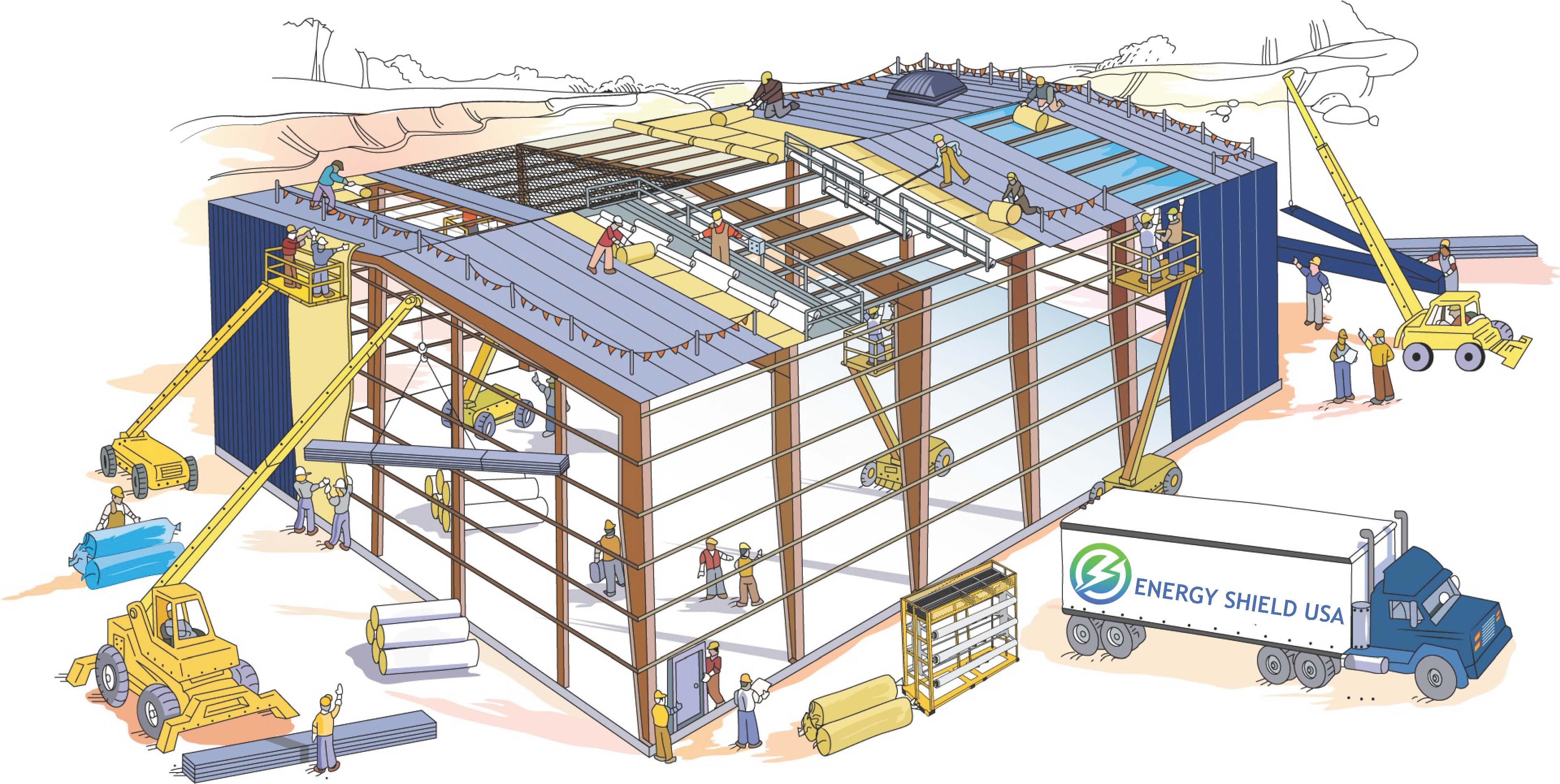
Energy Shield provides high-quality insulation products engineered for metal buildings. Installed in the walls and roof, they help keep your building cooler in the summer, warmer in the winter, and protected from condensation and moisture damage.
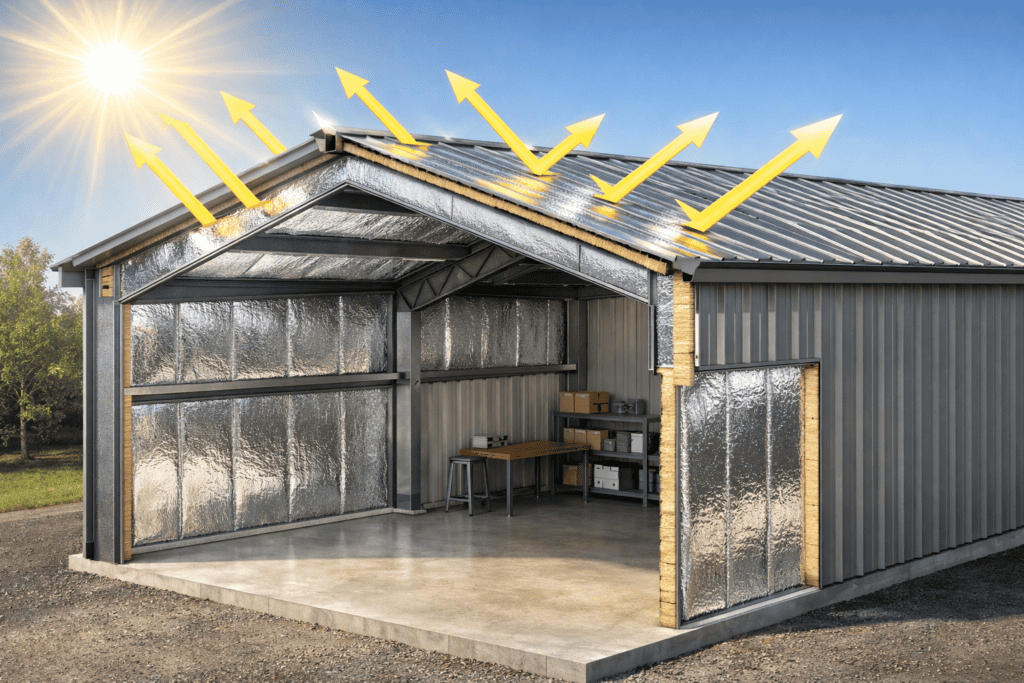
Shield Against Radiant Heat
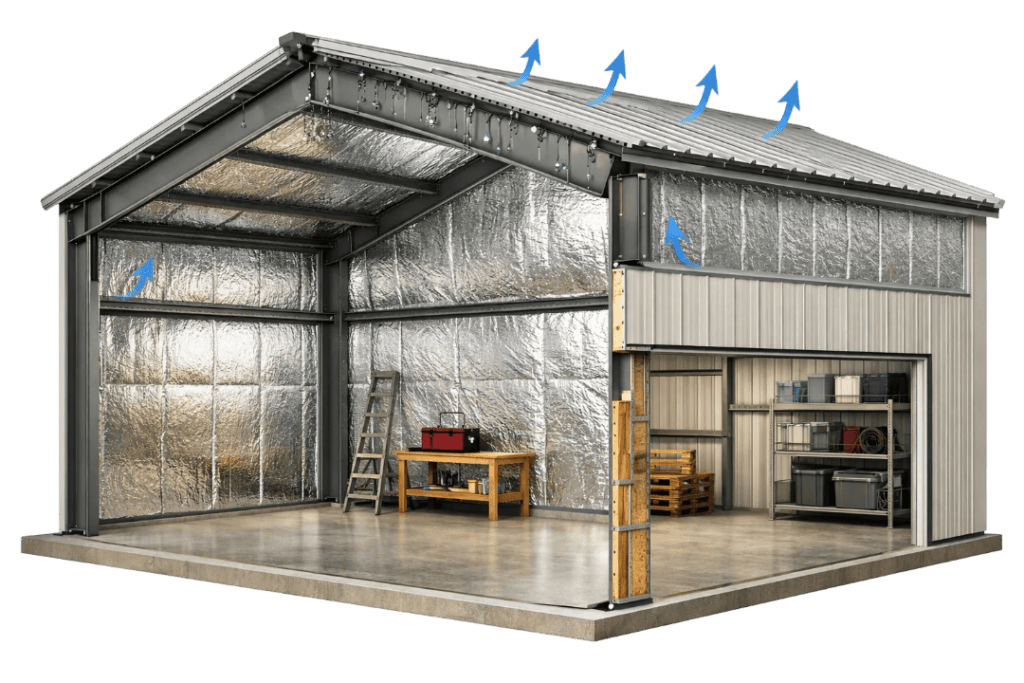
Reflective insulation installed in metal building roof and wall assemblies reflects solar heat away, keeping interior temperatures cool during summer.
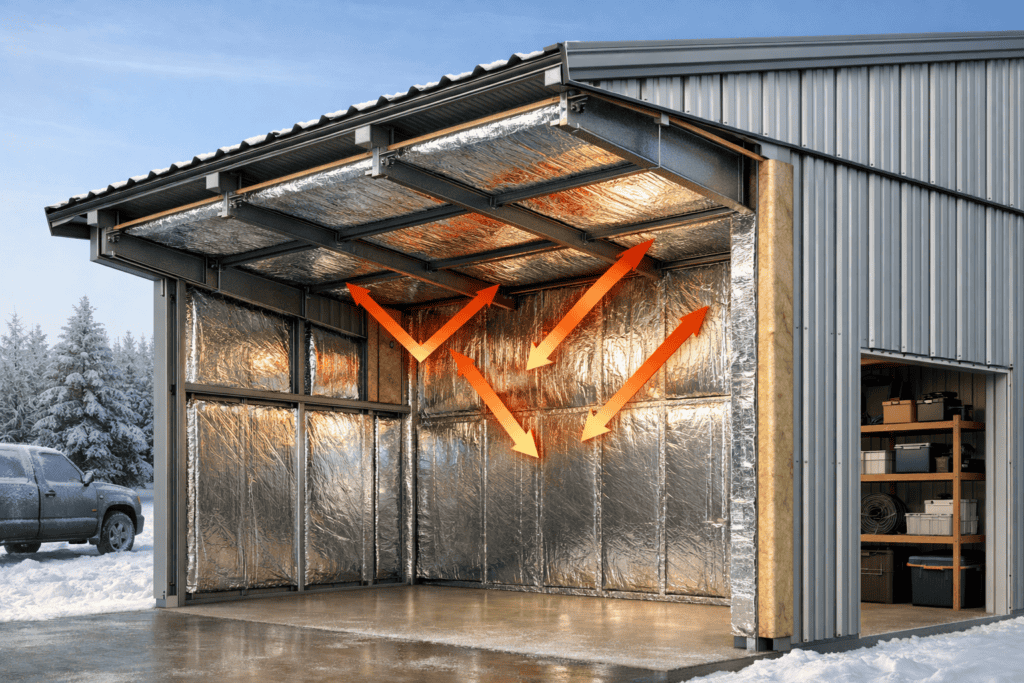
Reduce Heat Loss
During colder months, reflective insulation helps retain interior heat, maintaining comfortable temperatures and lowering energy costs.
Control Moisture & Condensation
Energy Shield insulation products act as vapor barriers to prevent moisture buildup on steel panels, protecting the building and enhancing durability.
Why Insulating a Metal Building is Critical
Metal buildings conduct heat quickly, causing energy loss, extreme temperature swings, and condensation problems. Without proper insulation, you may experience:
Without proper metal building insulation, buildings may experience:
- High energy costs
- Heat gain during summer
- Heat loss during winter
- Condensation on steel panels
- Moisture damage
Energy Shield insulation systems create a continuous thermal barrier, improving energy efficiency, comfort, and protecting your structure year-round.
R-Value and Insulation Performance for Metal Buildings
When insulating a metal building, both R-value and radiant heat protection are key.
- Faced fiberglass: High R-value for conductive heat resistance in walls and roof cavities
- Reflective insulation: Reduces radiant heat transfer from metal roof and wall panels
- Vapor barriers: Controls condensation on steel panels
- Continuous insulation layers: Improve overall thermal performance
By combining these methods, Energy Shield ensures stable interior temperatures, lower energy costs, and improved comfort year-round.
ES® Metal Building Insulation Products
ES® Metal Building Insulation Products
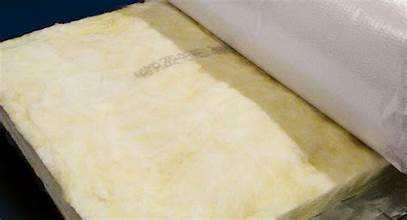
Faced fiberglass insulation combines a resilient fiberglass blanket with an integrated vapor retarder facing to improve thermal performance and help prevent condensation on metal panels.
Key Features
- High-performance fiberglass blanket with vapor retarder
- Prevents condensation on steel panels
- Improves interior temperature stability
- Custom laminated to building dimensions
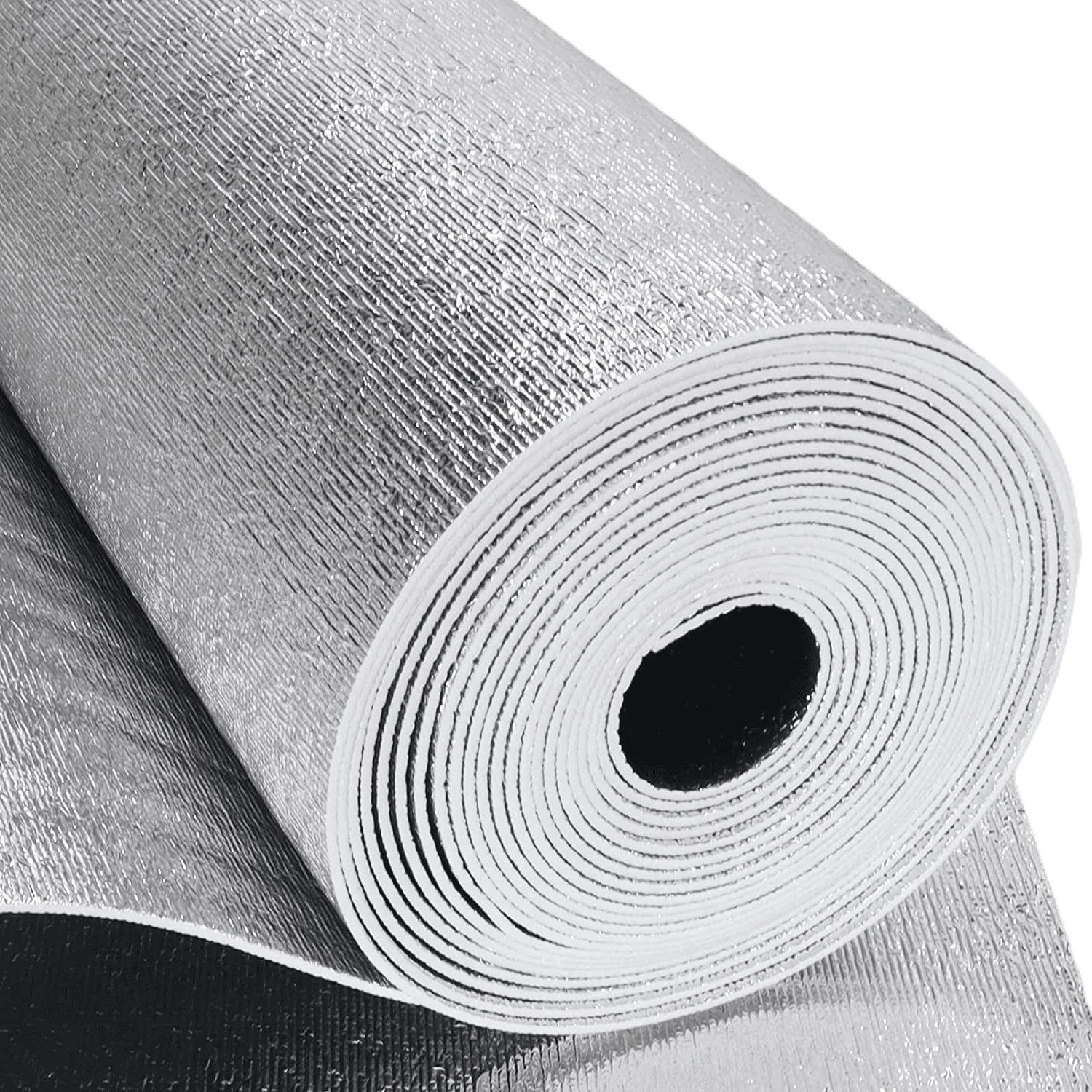
Reflective foam insulation features a closed-cell polyethylene core with reflective foil surfaces designed to reduce radiant and conductive heat transfer in metal buildings.
Key Features
- Closed-cell polyethylene foam with dual reflective foil surfaces
- Reduces radiant and conductive heat transfer
- Controls moisture and condensation
- Durable for roofs and walls
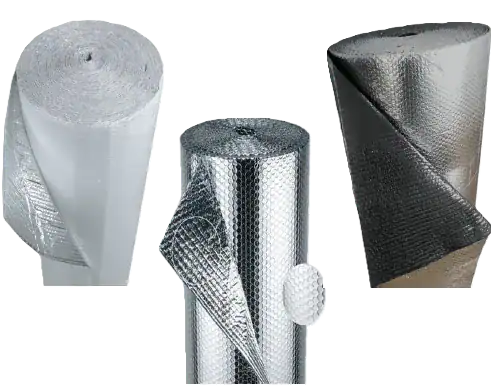
Reflective bubble insulation uses dual foil surfaces with a bubble core to reduce radiant heat transfer and help manage condensation.
Key Features
- Dual-foil bubble insulation for roof and walls
- Reflects radiant heat in summer, retains warmth in winter
- Flexible, easy to install over or under purlins
- Helps reduce condensation risk
METAL BUILDING INSTALLATION METHODS
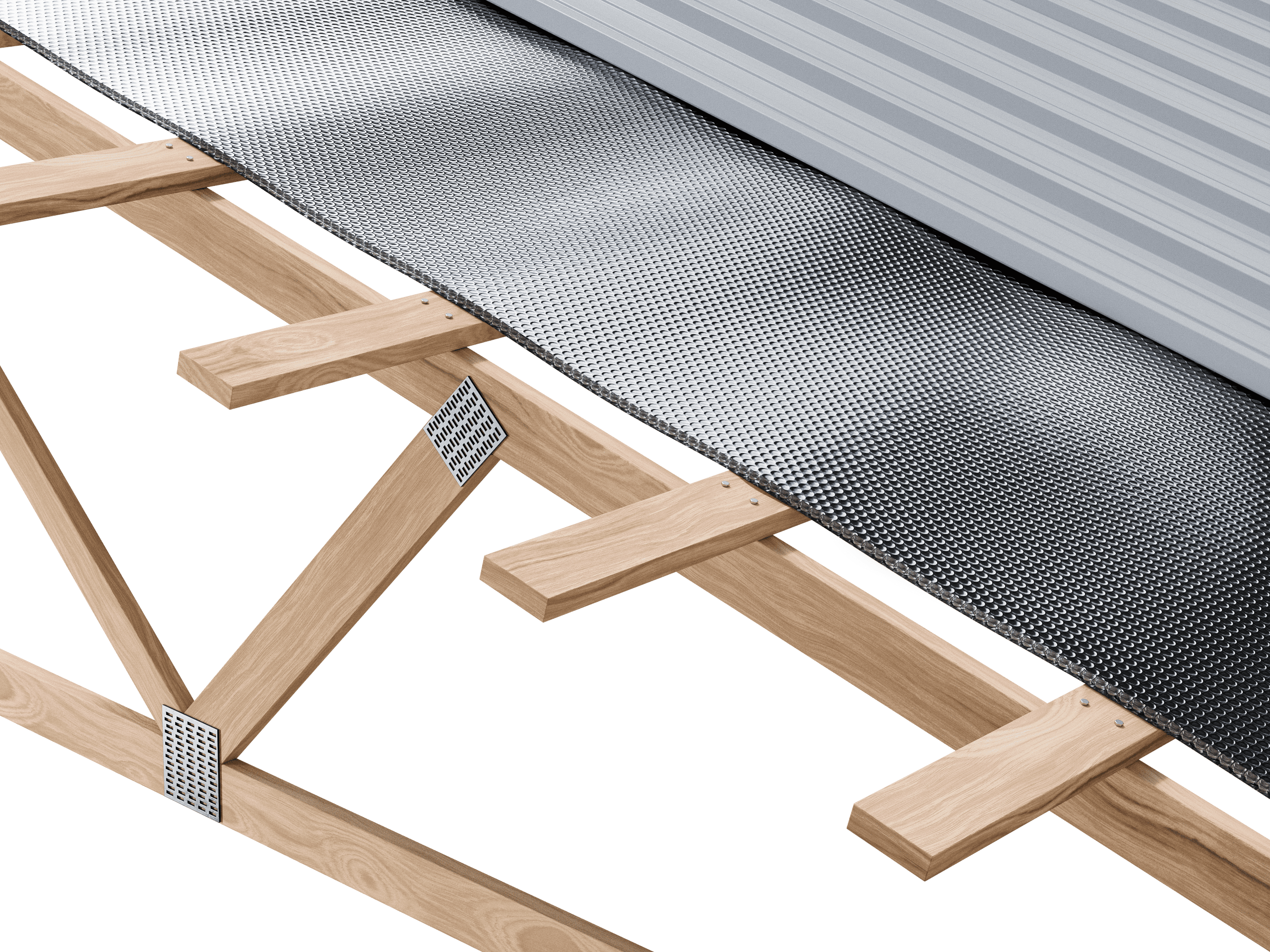
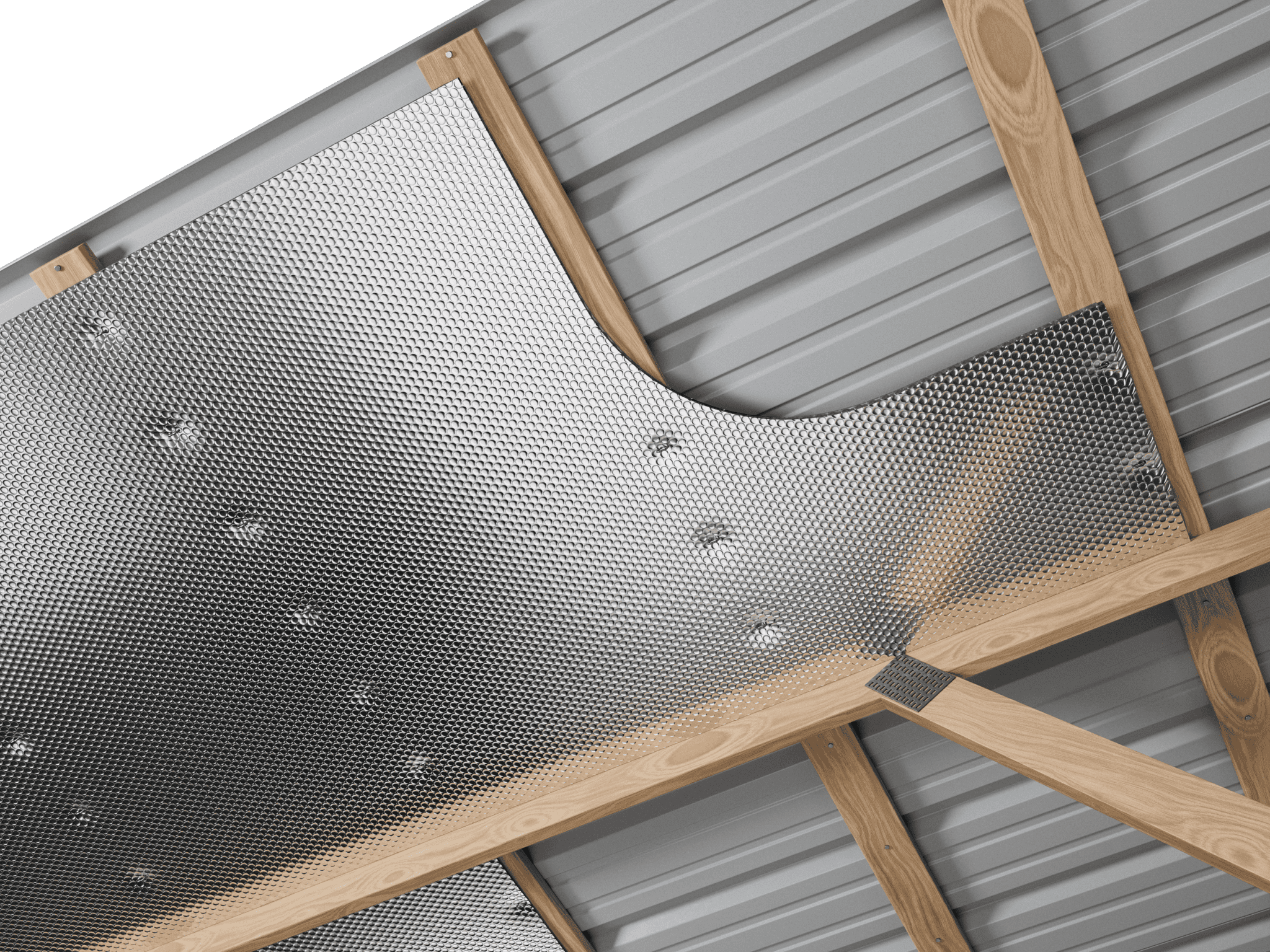
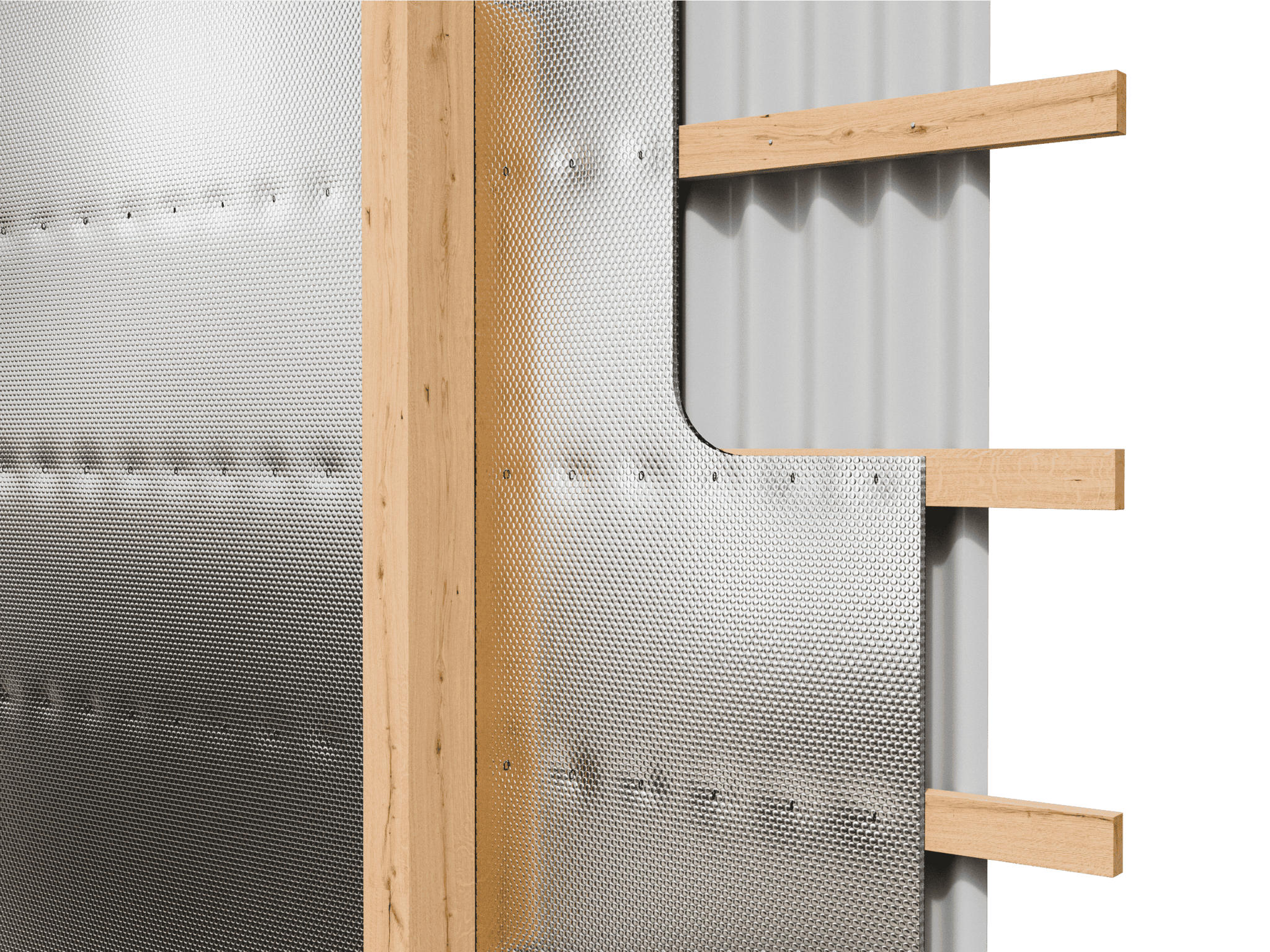
Metal building insulation can be installed in several ways depending on the building design and insulation system used.
Over-Purlin Installation
Insulation above roof purlins creates a continuous thermal barrier and improves energy efficiency.
Under-Purlin Installation
Insulation installed below purlins or between structural members reduces radiant heat transfer and prevents condensation.
Wall Insulation Systems
Behind steel wall panels to stabilize interior temperatures and improve comfort.
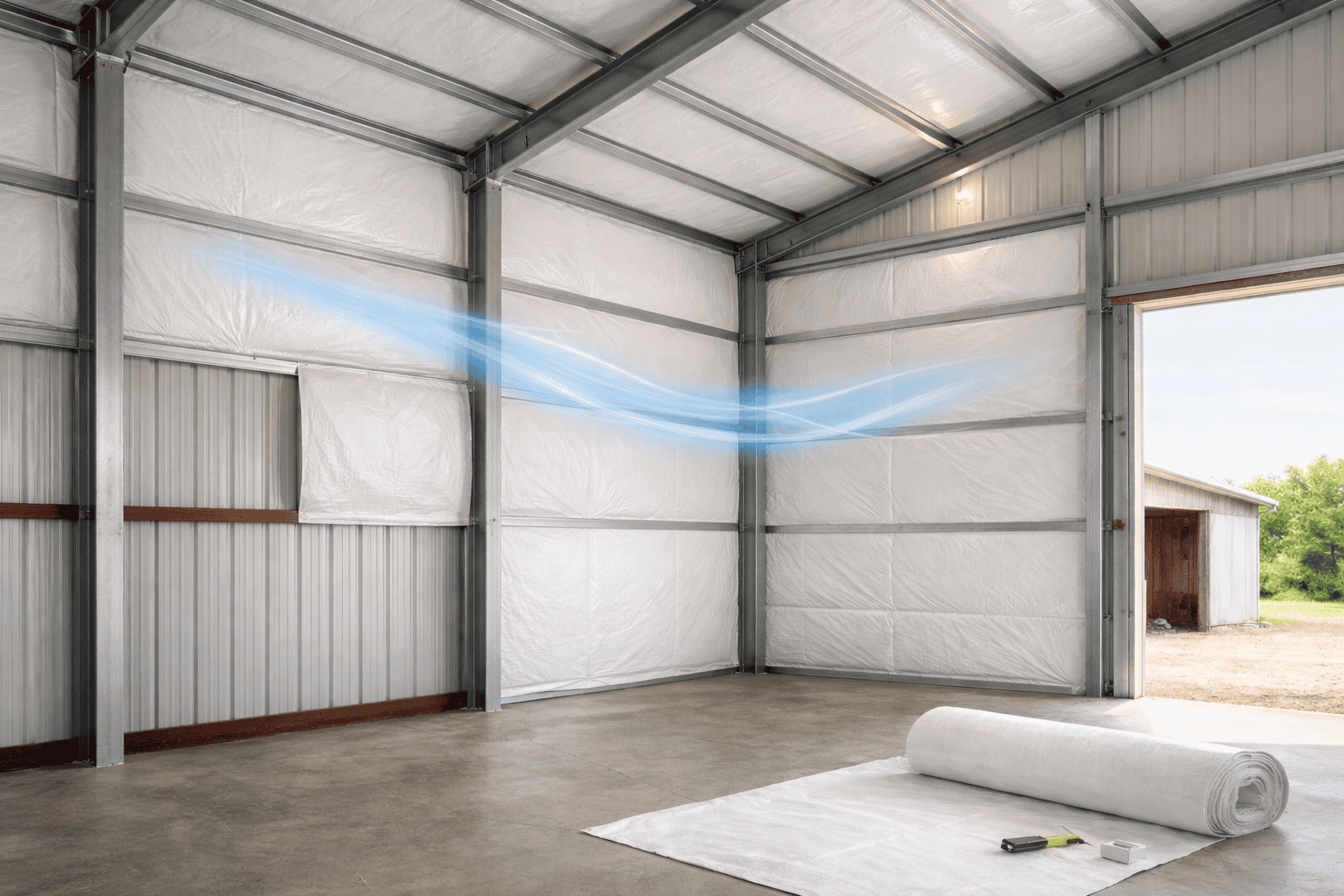
APPLICATIONS / WHERE USED
Metal building insulation is commonly used in:
Benefits of Insulating a Metal Building
- Stabilizes interior temperatures
- Reduces energy costs
- Controls condensation and moisture
- Improves comfort for occupants or stored goods
- Durable and long-lasting protection

Why Choose Energy Shield USA® Metal Building Insulation?
Metal Building Insulation FAQs
What types of insulation are best for metal buildings?
Energy Shield USA offers three main types of insulation for metal buildings:
- Faced Fiberglass: Combines a fiberglass blanket with a vapor retarder facing, ideal for controlling condensation and stabilizing interior temperatures.
- Reflective Foam: Closed-cell polyethylene foam with dual reflective foil surfaces, reduces radiant and conductive heat transfer, and adds thermal protection to walls and roofs.
- Reflective Bubble: Dual foil with a bubble core that reflects radiant heat and helps prevent condensation, especially effective over purlins or under roof panels.
Can metal building insulation reduce energy costs?
Yes. Properly installed metal building insulation helps reduce heat gain in summer and heat loss in winter. By maintaining more consistent interior temperatures, it decreases HVAC load and lowers energy bills year-round.
How does reflective insulation work in a metal building?
Reflective insulation uses low-emissivity surfaces to reflect radiant heat away from or back into a building. Over the roof, it blocks solar heat from entering; inside walls and roof systems, it reflects interior heat back into the structure during colder months, improving thermal performance.
What is over-purlin and under-purlin installation?
- Over-Purlin Installation: Insulation is installed above the roof purlins before metal panels are attached, creating a continuous thermal barrier that enhances energy efficiency.
- Under-Purlin Installation: Insulation is installed below the purlins or between structural members to reduce radiant heat transfer and control condensation inside the building.
Does metal building insulation prevent condensation?
Yes. Energy Shield insulation products, especially faced fiberglass and reflective foam, can act as a vapor barrier. They prevent moisture from forming on steel panels, reducing condensation, corrosion risk, and potential structural damage.
Is metal building insulation easy to install?
Yes. Energy Shield insulation products are designed to be lightweight, flexible, and easy to handle. Reflective bubble and foam products can be cut and fitted to roof and wall assemblies, while faced fiberglass can be custom laminated to building dimensions for quick installation.
Where can metal building insulation be used?
- Metal building insulation is ideal for:
- Warehouses
- Agricultural buildings
- Pole barns
- Workshops and garages
- Commercial steel structures
- Equipment storage buildings
How much can I expect to improve comfort with insulation?
Installing Energy Shield reflective insulation or faced fiberglass can stabilize interior temperatures, keeping buildings cooler in summer and warmer in winter. Users often notice improved energy efficiency and reduced temperature swings immediately after installation.
Does reflective insulation work with other insulation types?
Yes. Reflective insulation can be used alongside traditional fiberglass or spray foam insulation to create a multi-layer thermal barrier, improving overall energy efficiency and condensation control.
Is Energy Shield insulation certified or tested?
Yes. All Energy Shield insulation products are ASTM-tested and verified, manufactured in the USA, and comply with recognized industry standards for performance and durability.